

laminated glass noise reduction
The Importance of Using a Spirit Level in Construction and DIY Projects A spirit level, often referred to as a bubble level, is an essential tool in construction and DIY projects. Its primary purpose is to determine whether a surface is horizontal (level) or vertical (plumb). The concept is simple—a small glass vial filled with liquid and an air bubble indicates the degree to which a surface deviates from true level. Despite its simplicity, the spirit level plays a critical role in achieving accuracy and precision in various applications. Types of Spirit Levels There are several types of spirit levels available on the market, each designed for specific tasks. The most common is the traditional bubble level, which typically consists of a rectangular body and one or more vials filled with liquid. The torpedo level, a shorter version often used in tight spaces, is favored by electricians and plumbers. For larger projects, the long level provides better accuracy over extended distances. Some modern variations include digital spirit levels, which use electronic sensors to provide a digital readout of the angle. These tools can display measurements in degrees or percentages, offering advanced features like audio alerts for achieving level surfaces. Regardless of the type, the essential function remains the same to ensure that surfaces are aligned and true. The Importance of Using a Spirit Level in Construction and DIY Projects In construction, using a spirit level is paramount. Imagine building a home where the foundation is not level; it would lead to a host of problems, including poor drainage, structural failures, and costly repairs. Carpenters rely on spirit levels to ensure that everything from framing to installing cabinets is perfectly aligned. Additionally, when laying tiles or installing fixtures, a level surface is crucial to prevent uneven wear and aesthetic discrepancies. metre spirit level The importance of a spirit level extends beyond construction. It is vital in landscaping, where leveling soil for gardens or patios ensures proper drainage and enhances the overall look of outdoor spaces. Even when hanging artwork or shelves at home, a spirit level guarantees that they are perfectly straight, contributing to a polished and professional appearance. Benefits of Accurate Measurements The benefits of using a spirit level extend beyond mere aesthetics. Accurate measurements lead to better performance and longevity of structures and installations. For instance, a level surface can prevent issues such as water pooling or mold growth caused by improper drainage. In building projects, a level foundation can prevent cracks and other structural damage that might result from uneven settling. Furthermore, using a spirit level can enhance safety. Uneven surfaces can pose hazards, particularly in public spaces or areas where people might trip or fall. By ensuring that surfaces are true and even, we create safer environments for everyone. Conclusion In conclusion, the spirit level is a simple yet indispensable tool in construction and DIY projects. Its ability to provide accurate measurements ensures that surfaces are level and plumb, leading to better performance, enhanced aesthetics, and improved safety. Whether you are a professional contractor or a weekend warrior tackling home improvement tasks, a spirit level is a must-have tool in your toolkit. By investing time and attention into achieving the right level, you can guarantee the success and durability of your projects. So next time you embark on a building endeavor, remember the importance of a level surface and reach for that invaluable spirit level.
about
laminated glass noise reduction
Understanding 3-Way Gate Valves A Comprehensive Overview In various industrial applications, the need for effective fluid control and management is paramount. Among the numerous types of valves used in piping systems, the 3-way gate valve stands out for its unique functionality and versatility. This article aims to provide a comprehensive understanding of the 3-way gate valve, its applications, advantages, and operational principles. What is a 3-Way Gate Valve? A 3-way gate valve is a type of valve that enables the control of fluid flow in three different directions. It features a robust gate mechanism, which is designed to open and close to either allow or block the flow of liquids or gases. Typically constructed from materials like stainless steel, brass, or cast iron, these valves are designed to withstand high pressures and temperatures, making them suitable for demanding industrial environments. Design and Structure The design of a 3-way gate valve includes three ports one inlet and two outlets, or vice versa, depending on the fluid flow requirements. The valve operates by either lifting or lowering a gate that fits snugly within the valve body. This mechanism allows for a straight flow path when the valve is fully opened, minimizing turbulence and pressure loss. In contrast to other valve types, the 3-way design is particularly beneficial in applications requiring the redirection of flow or the mixing of different fluid streams. Applications 3-way gate valves find their applications in a variety of areas, including 1. Water Treatment Facilities They are often used to control flow directions in treatment plants, ensuring optimal water quality and distribution. 2. Oil and Gas Operations In the extraction and transportation of hydrocarbons, these valves manage the flow between different pipelines and storage tanks. 3 . Chemical Processing The ability to control and redirect aggressive chemicals safely makes 3-way gate valves essential in chemical manufacturing settings. 3 way gate valve 4. HVAC Systems In heating, ventilation, and air conditioning systems, they help regulate and redirect airflow efficiently. Advantages of 3-Way Gate Valves The implementation of a 3-way gate valve in industrial systems offers a multitude of advantages 1. Versatility The ability to direct flow through multiple channels allows for greater flexibility in system design. 2. Reduced Pressure Drops When fully opened, the gate mechanism minimizes resistance to flow, resulting in lower pressure drops compared to other valve types. 3. Simplified Maintenance 3-way gate valves generally require less maintenance due to their straightforward design, leading to reduced downtime in industrial operations. 4. Durability Constructed from robust materials, these valves can withstand harsh operating conditions, ensuring a long service life. Operational Principles The operation of a 3-way gate valve is relatively simple. When the actuator (manual or automated) rotates or moves the valve stem, the gate rises or falls. For switching the flow direction, the valve can be turned to an intermediary position, allowing flow through one outlet while blocking the other. This ability to regulate multiple paths is particularly beneficial in systems where efficiency and directionality are crucial. Conclusion 3-way gate valves represent a crucial component in the realm of fluid control and management across numerous industries. Their unique design, combined with the ability to manage flow in multiple directions, provides significant advantages over traditional gate valves. As industries continue to evolve, the demand for efficient and reliable valve systems, including 3-way gate valves, will likely increase. Understanding their operation, applications, and benefits is essential for engineers and operators tasked with designing and maintaining fluid systems that meet stringent performance criteria. In summary, the 3-way gate valve is not just a mechanical device, but a pivotal element that enhances operational efficiency and safety in various industrial processes.
-

High quality industrial productsagement

High quality industrial products
View Details -

Meet the diverse needs of customers

Meet the diverse needs of customers
View Details -

Strict quality control

Strict quality control
View Details -

Top raw materials

Top raw materials
View Details -

Trusted supplier

Trusted supplier
View Details
Our application
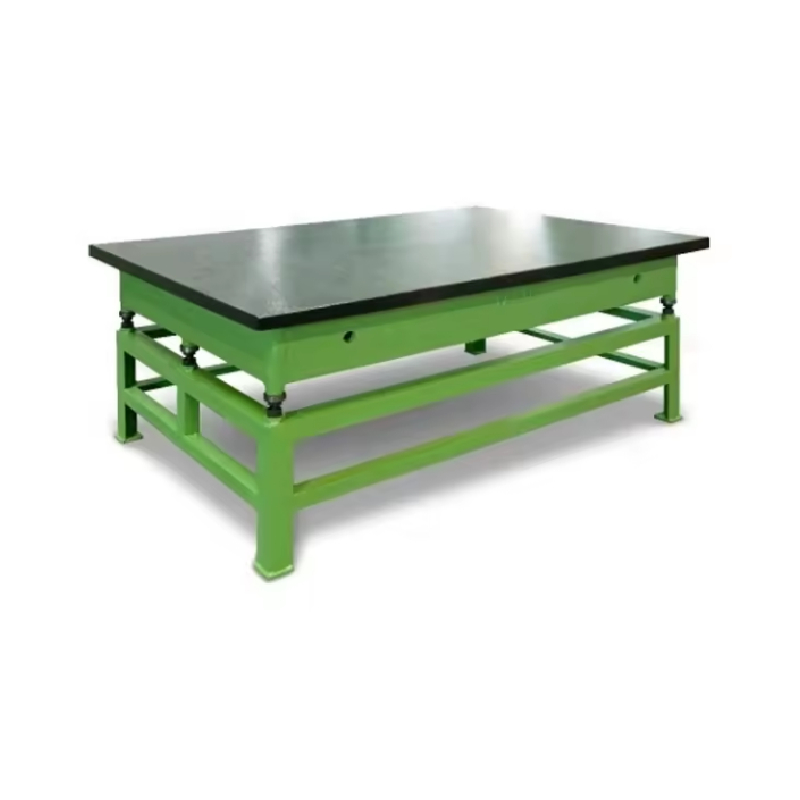
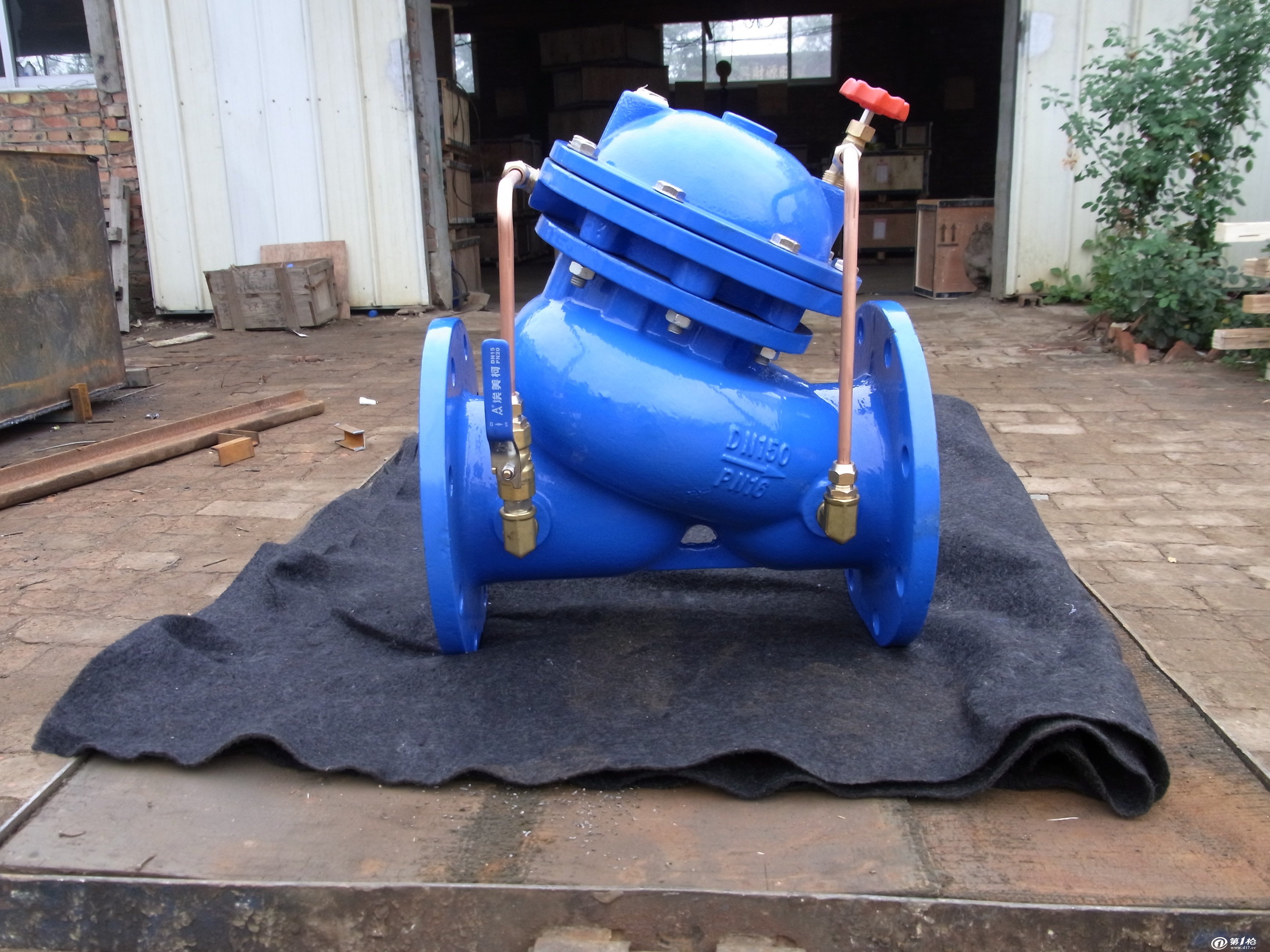


news and information
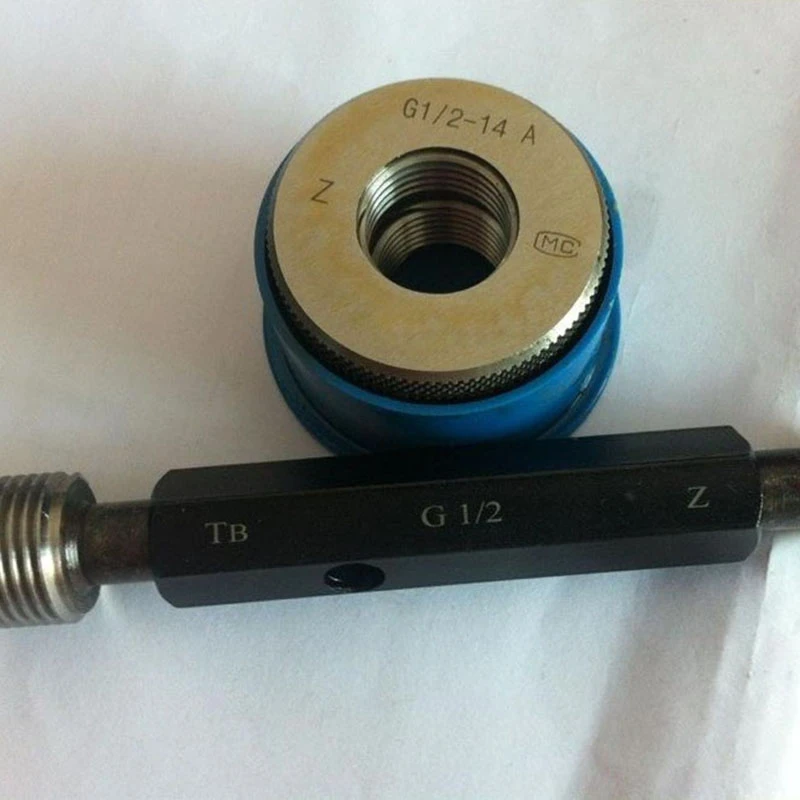
Welding Tables Available for Purchase Online at Competitive Prices
When it comes to welding projects, having the right equipment is crucial to ensure efficiency and qu
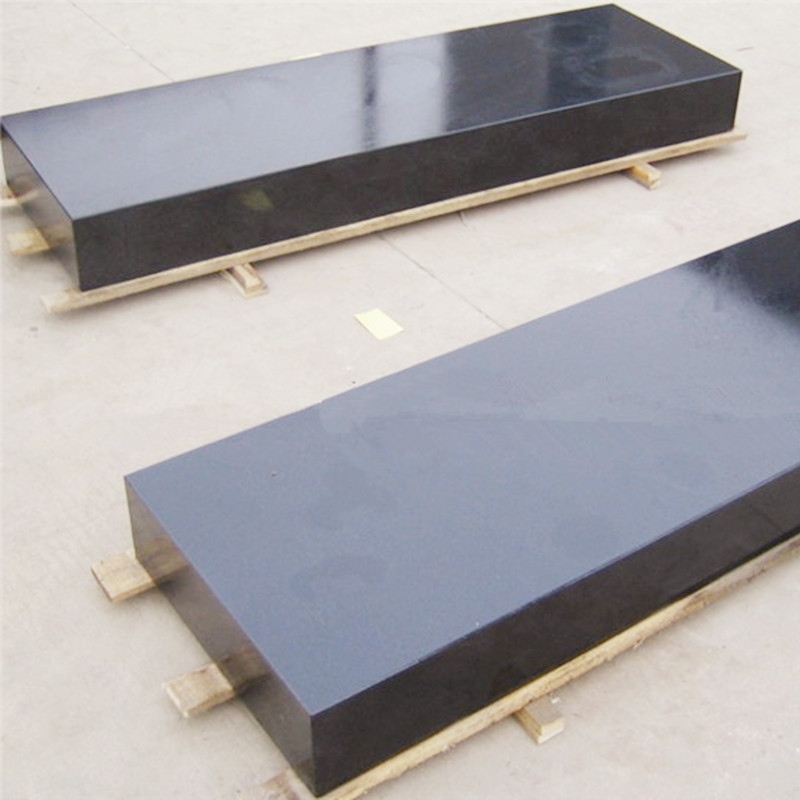
What is a Gate Valve Used For_
A gate valve is a crucial component in many industrial systems, designed to control the flow of liqu

Water Valve Fails to Close Properly Leading to Leakage Issues and Concerns
Troubleshooting a Water Valve That Won't Shut Off Water valves play a crucial role in home plumbing
 English